If you’re moving to Pensacola, Florida, or anywhere around the Emerald Coast, there are some home buying realities that do not show up well in listing photos. A house can look great online, check the bedroom and bathroom boxes, and still come with local quirks that catch people off guard the second they get here.
We run into this all the time when helping people relocate, and honestly, some of these are things we wish we knew before making the move ourselves. Pensacola is awesome, but buying here is a little different than buying in Denver, Missouri, or a lot of other places around the country. Between the coastal air, flood maps, insurance, termites, and even something as simple as gutters, there are local details that matter.
So if you’re moving to Pensacola, Florida and house hunting, these are the 10 biggest things we tell people to pay attention to.
Table of Contents
- 1. Landscaping is different here
- 2. The air is corrosive
- 3. Flood zones matter a lot
- 4. Homeowners insurance is more specific than most people expect
- 5. Wood rot and termites are real concerns
- 6. Your HVAC drain line needs attention
- 7. Gutters are not a given
- 8. Surveys come up all the time
- 9. Lanais and screened areas are a big deal
- 10. Things grow fast. Really fast.
- FAQ about buying a home in Pensacola
1. Landscaping is different here
One of the first things people notice when they’re moving to Pensacola, Florida and touring homes is the lawn situation. If you’re coming from an area where everybody is obsessed with perfect grass, fertilizer schedules, edging, and the greenest yard on the block, this part can feel a little weird at first.
In this area, lawns just do not always look the same as they do in other states. You may not pull up to that thick, lush, manicured look you’re used to. That does not automatically mean the neighborhood is bad or the house has been neglected. A lot of it comes down to the climate, the local grass types, and just different standards for curb appeal.
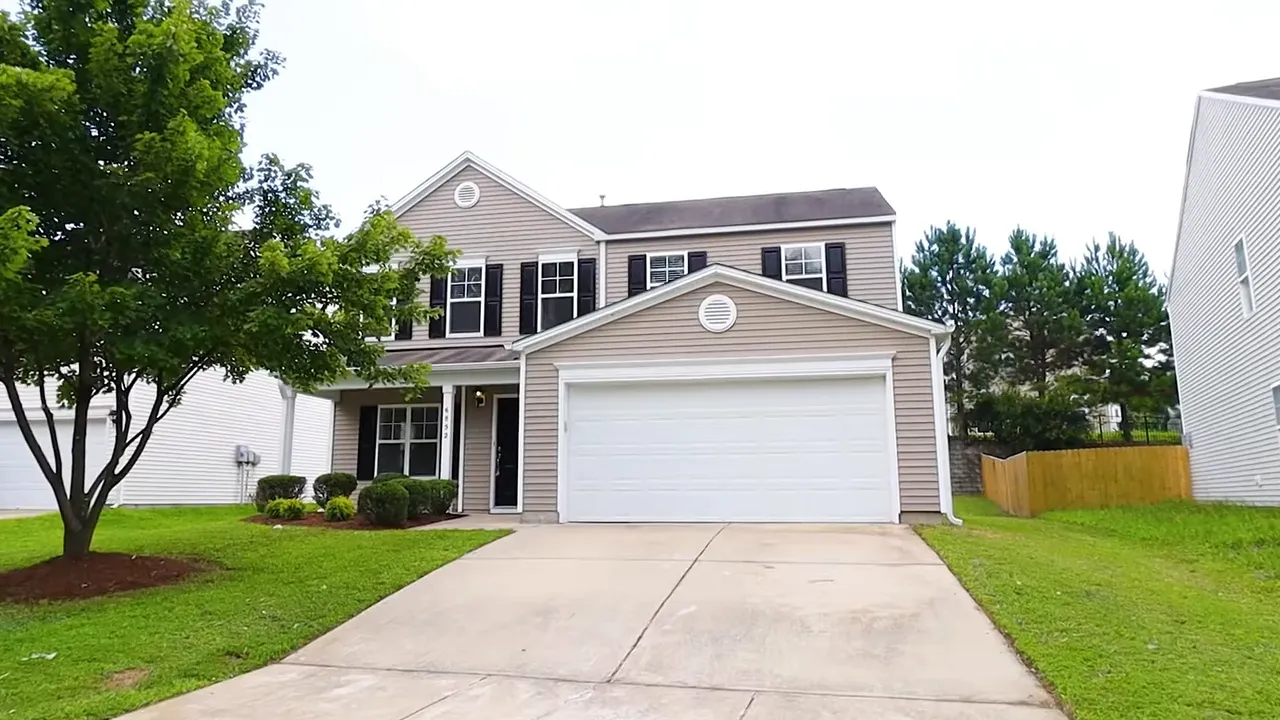
St. Augustine grass is one that comes up a lot. To some people, especially if they have never dealt with it before, it can look more like a weed than a premium lawn. But it is popular for a reason. It tends to hold up better and fight off weeds better than some alternatives.
That said, lawn quality really does vary by neighborhood. There are absolutely areas where people take a lot of pride in their yards. Places like Tiger Point and parts of Gulf Breeze often have cleaner, more polished landscaping. Other spots are a lot more relaxed.
The takeaway is simple: do not judge a house too quickly based only on whether the lawn looks like a golf course. When you’re moving to Pensacola, Florida, the landscaping standard may just be different from what you are used to.
2. The air is corrosive
This is one that surprises a lot of people, especially anyone relocating from inland markets. Coastal air can be rough on materials, and in the Pensacola area that means you need to pay attention to rust and corrosion.
When we’re walking homes, we like to look closely at exterior metal components. Aluminum windows are one example. If they are not maintained and rinsed down regularly, the salt-heavy air can wear on them over time.
And it is not just the house. Cars deal with it too. A lot of people notice that vehicles can show wear and rust faster than they did in drier climates. Regular rinsing helps. Some people even use salt-removal products on both vehicles and exterior surfaces to stay ahead of it.
If you’re moving to Pensacola, Florida, think of corrosion as part of normal coastal maintenance. It is not some disaster issue. It is just something to watch for before you buy and maintain after you move in.
3. Flood zones matter a lot
Flood zones are one of the biggest practical issues in this market. If you are coming from an area where flood maps were barely a conversation, Pensacola may be an adjustment.
We pay very close attention to whether a home sits in an X shaded or X unshaded flood zone, because those are often the zones where flood insurance is not required by the insurance company. Once you start getting closer to the water or into higher-risk designations, that changes.
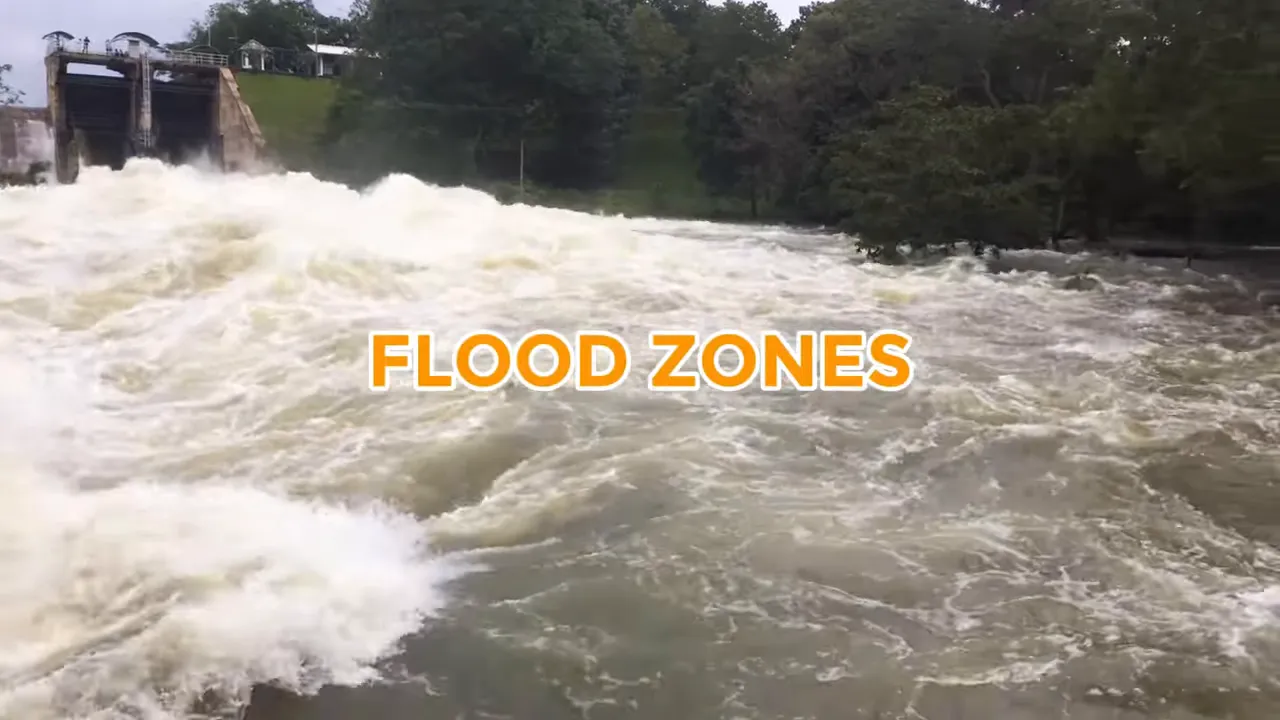
And yes, waterfront living is amazing. But if you want to be right on the water, there is a strong chance you are going to land in a flood zone. There are exceptions, but they are usually homes elevated well above the surrounding water level.
One thing to be careful with is relying too heavily on broad online flood risk scores. Some websites make it look dramatic. You still want to check the actual FEMA flood map and local records. We also like to see whether a property had any flood history during major storms and hurricanes. That kind of research matters more than a generic score from 1 to 10.
When you’re moving to Pensacola, Florida, do not skip this step. Flood zone status affects cost, risk, financing, and your long-term peace of mind.
4. Homeowners insurance is more specific than most people expect
Insurance is probably the topic that gets brought up more than anything else. There are a lot of horror stories floating around, and while insurance absolutely matters here, it helps to understand what actually drives the premiums.
First, flood insurance and homeowners insurance are not the same thing. If a property is in a flood zone like AE, many insurers will require flood coverage. A rough ballpark mentioned for flood insurance was often around $800 to $1,000 per year, though that can vary based on elevation, flood zone, and the specifics of the property.
For regular homeowners insurance, one of the biggest “cheat codes” is simply the age of the house. Newer homes tend to benefit from more recent building codes, especially around hurricane resistance. That can include items such as:
- Impact-resistant windows
- Hurricane brackets
- Stronger exterior openings
- Newer construction standards overall
Another major factor is the roof. If a roof is getting older, especially around the 10-year mark or beyond, that can affect insurability and premium costs. Insurers may look at it as nearing the back half of its life and price the policy accordingly.
They also pay attention to items like:
- Hot water heater age
- Window protection
- Garage door rating
- Entry door strength
- Whether the home is fully protected against storms
A good way to think about it is this: the more your house can “button up” during a storm, the better. If everything is hurricane rated except one weak point, that one item may keep you from getting the full discount.
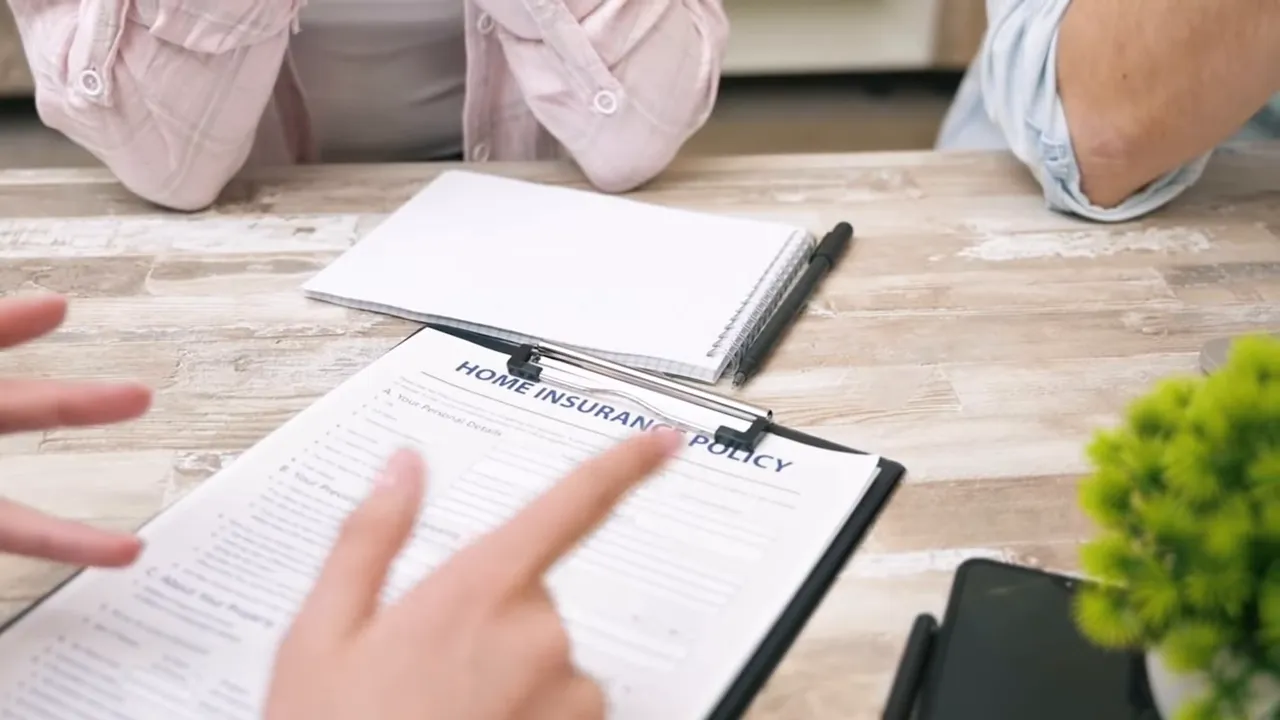
Actual premium examples shared for Florida properties were roughly in the $3,000 to $3,400 per year range, with one property costing a little more because it had a pool.
So yes, insurance matters. But no, it is not impossible. In fact, outside of manufactured homes, getting insurance has not been the nightmare many people assume. That’s an important distinction if you’re moving to Pensacola, Florida and trying to budget realistically.
5. Wood rot and termites are real concerns
Termites are a real issue on the Gulf Coast. This is one of those things people hear about and immediately assume every house is infested. That is not the reality, but it does need to be taken seriously.
The good news is prevention goes a long way. Annual inspections, spraying, trap monitoring, and keeping a solid termite bond in place can make a huge difference.
When homes are inspected, a WDO report, meaning wood destroying organisms, often comes into play. Inspectors are looking not only for active termite activity but also for conditions that attract termites. One of the big ones is wood rot.
Soft, damaged, moisture-exposed wood is basically an invitation. One area that can come up often is around the front base of the garage opening if wood is exposed there. That is a spot where damage sometimes shows up on reports.
If you’re moving to Pensacola, Florida, just know this is part of normal due diligence. You want a proper inspection, a solid prevention plan, and attention to any moisture-damaged wood before it becomes a bigger problem.
6. Your HVAC drain line needs attention
This one catches a lot of people by surprise, and it is one of those local maintenance details nobody talks about until it happens.
In this climate, HVAC systems can produce a lot of water. Add in high humidity and the fact that things like algae grow quickly here, and your condensate drain line can clog. When that line backs up, the water can back into the system and sometimes into the house.
That is exactly the kind of thing that can freak you out right after buying a home, because it looks like something major is going wrong when the actual issue may just be a clogged line.
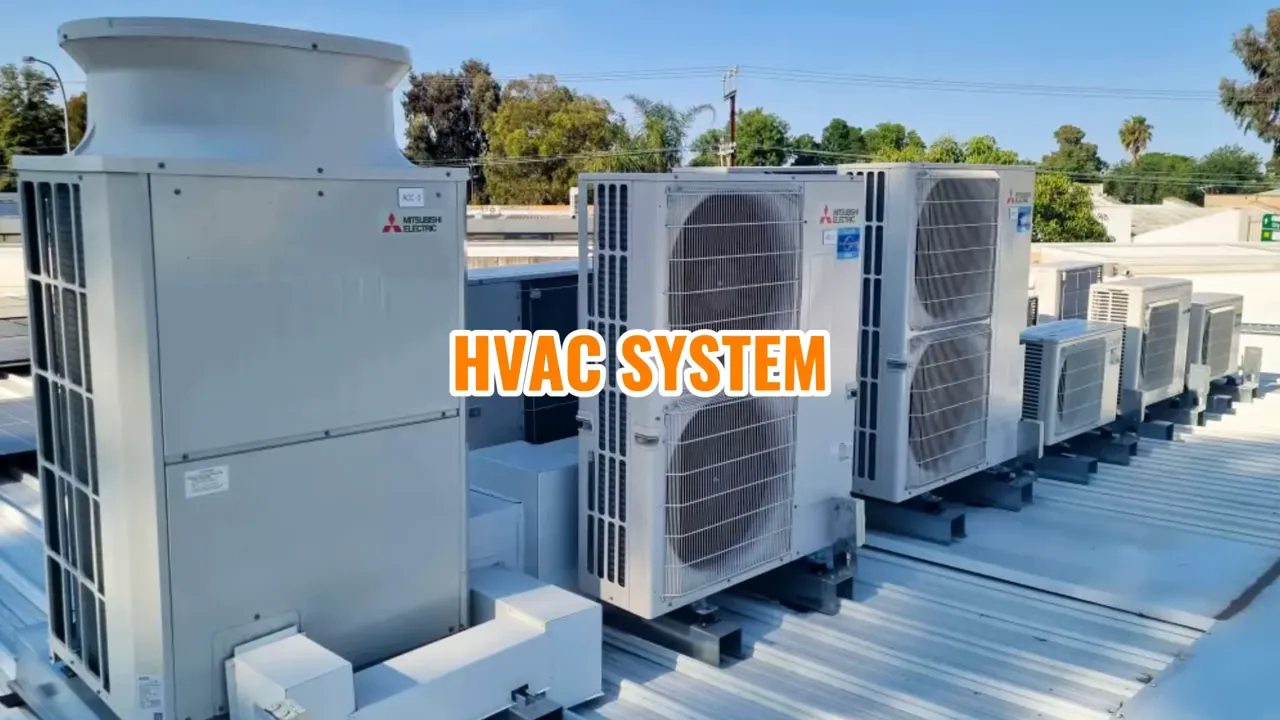
The fix is usually straightforward maintenance. Drain lines need to be cleaned or vacuumed out periodically. And when we’re checking homes, one thing we like to see is an auto shutoff on the HVAC system. If water backs up and hits that sensor, it shuts the unit down before you end up with water damage inside.
If you’re moving to Pensacola, Florida, ask about the HVAC age, maintenance history, and whether the system has that auto shutoff protection in place.
7. Gutters are not a given
If you come from a place where every single house has gutters, this one is going to stand out quickly. In the Pensacola area, gutters are not universal.
Some homes have them. Some do not. And a missing gutter system is not automatically a red flag. Local soil is different. In many areas, it is sandier and drains differently than the heavy clay soils found in other parts of the country.
That means the absence of gutters may not be a major concern on its own. What matters more is whether the water runoff is causing issues. If we start seeing signs that runoff is affecting the foundation or grading around the house, then it becomes a bigger conversation.
So when you’re moving to Pensacola, Florida, do not assume a home is flawed just because it does not have gutters. Look at the whole drainage picture instead.
8. Surveys come up all the time
Surveys are another item that tends to be more common than buyers expect. If you are financing the purchase, there is a good chance a survey will be required. And even when it is not required, it is often still a smart thing to have.
A lot of homes already have a recent survey available, but not all of them. If one has to be ordered, pricing can vary based on the size and complexity of the lot. A general range that comes up often is about $650 to $1,200.
Larger acreage, unusual property lines, or more complex layouts can push that higher. But for the average home purchase, that range is a reasonable expectation.
Surveys are especially helpful for understanding:
- Exact property boundaries
- Fence placement
- Easements
- Setbacks
- Whether improvements are inside the lot lines
When you’re moving to Pensacola, Florida, a survey is not just another line item. It is one of the clearest ways to know exactly what you are buying.
9. Lanais and screened areas are a big deal
If you’re coming from another part of the country, you may not have used the word lanai much. Down here, it comes up often.
In simple terms, a lanai is typically a screened-in outdoor area. Around this part of Florida, many are built around pools, and for good reason. They help keep leaves, debris, and general outdoor mess out of the water, which makes maintenance easier and can even help reduce pool service costs.
You also see screened porches and covered patios with screens. Those are huge if you actually want to enjoy being outside without dealing with bugs, especially in the warmer months.
Interestingly, mosquitoes are not always the biggest issue people expect. A lot of the bug annoyance is more along the lines of flies and wasps. Either way, screened spaces make outdoor living a whole lot more comfortable.
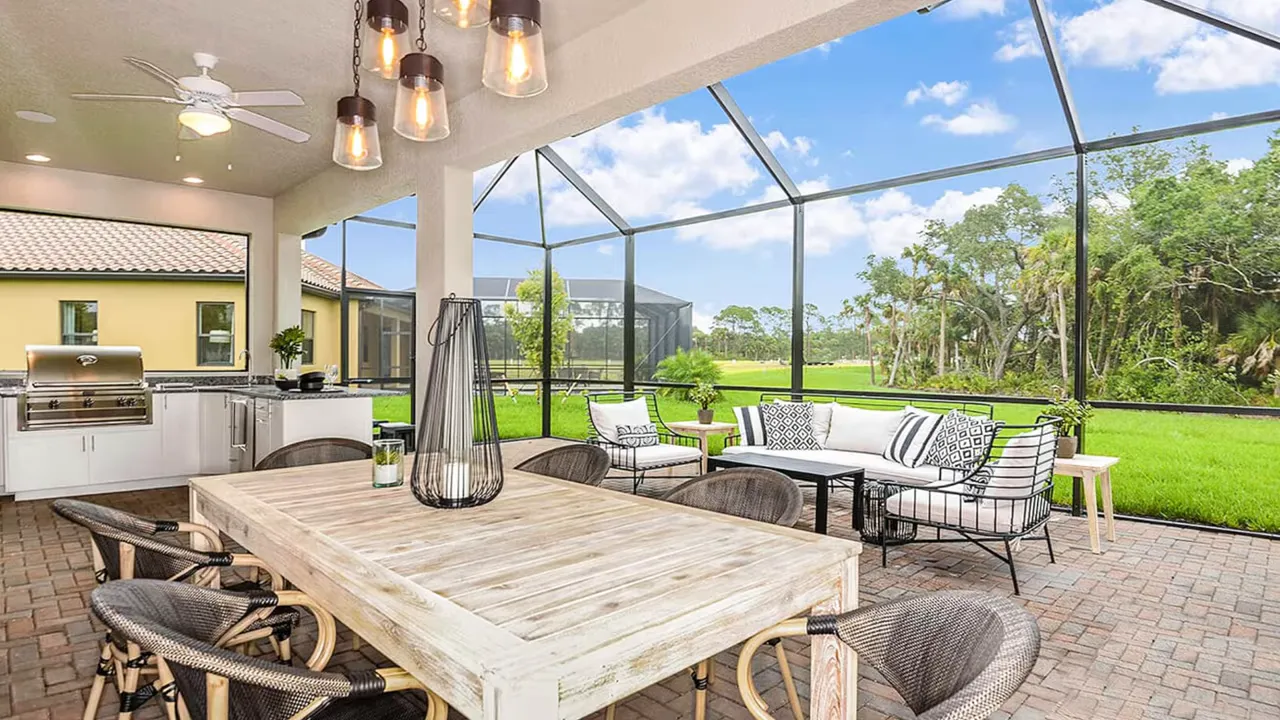
For buyers who love coffee on the patio, family dinners outside, or just hanging out in the evening, this feature can make a big difference in day-to-day life. If you’re moving to Pensacola, Florida for the outdoor lifestyle, lanais and screened porches are worth paying attention to.
10. Things grow fast. Really fast.
This is the final one, and it sounds simple, but it affects a lot. Stuff grows fast here. Grass, plants, shrubs, trees, privacy screens, all of it.
That is the bad news and the good news.
The bad news is yard maintenance can be more work than expected. If you want your landscaping to stay clean and sharp, you are going to need to stay on top of it more often than you might in a cooler climate.
The good news is you can create privacy and beauty pretty quickly. If you like a property but do not love what sits beyond the lot line, fast-growing landscaping can help. A well-planned natural barrier can completely change how a backyard feels.
One example shared was using clumping bamboo to build out privacy. It was inexpensive, grew fast, and turned the yard into more of an oasis feel. The important detail there is getting the right type. Clumping bamboo is manageable. Invasive spreading varieties are a whole different story.
So if you’re moving to Pensacola, Florida, plan for a little more landscaping upkeep, but also know that the climate can work in your favor if you want to create privacy or dress up a yard fast.
What all of this really means for buyers
The biggest lesson here is that buying on the Emerald Coast is not just about square footage, granite countertops, or how close you are to the beach. Local ownership comes with local rules, local maintenance, and local costs.
That does not make it harder in a bad way. It just means you want to buy smart.
If you’re moving to Pensacola, Florida, here’s the short version of what to keep in mind:
- Do not overreact to lawns that look different from what you’re used to.
- Check for corrosion on exterior materials and vehicles.
- Verify flood zones through the right sources.
- Understand what actually drives insurance pricing.
- Take termite prevention and wood rot seriously.
- Ask about HVAC drain line maintenance and shutoff protection.
- Do not assume every home should have gutters.
- Budget for surveys when needed.
- Appreciate how useful screened outdoor spaces are.
- Expect fast-growing landscaping and more frequent upkeep.
Once you know what to look for, buying here gets a lot less intimidating and a whole lot more exciting.
Want help finding the right home in Pensacola?
If you’re moving to the Emerald Coast and want a local, no-pressure walkthrough of what to look for (and what to question), contact us anytime. Call/Text: (850) 733-6337
FAQ about buying a home in Pensacola
Is homeowners insurance impossible to get in Pensacola?
No. Insurance is definitely an important part of buying here, but for most standard homes it is still obtainable. The biggest factors tend to be the age of the home, the age of the roof, hurricane protection features, and whether the property is in a flood zone. Manufactured homes can be more difficult.
Do all homes in Pensacola need flood insurance?
No. Homes in X shaded and X unshaded flood zones often do not require flood insurance through the insurer, though requirements can vary. Homes in higher-risk zones, especially near the water, are more likely to require it.
Are termites common in the Pensacola area?
Yes, termites are a known issue in this region, which is why prevention matters. Annual inspections, treatments, traps, and a termite bond are common ways homeowners stay ahead of the problem.
Why do some houses not have gutters?
Gutters are not universal in this market. Because local soil tends to be sandier and drainage conditions are different, some homes function fine without them. The key is whether runoff is creating drainage or foundation issues.
What is a lanai and why is it so popular?
A lanai is typically a screened outdoor living space, often around a pool or patio. It helps keep out leaves, debris, and bugs, making outdoor living more enjoyable and pool maintenance easier.
How much does a survey usually cost when buying a home here?
A common range is about $650 to $1,200, depending on the size of the lot and how complex the survey needs to be.
What is one maintenance issue new buyers often miss?
The HVAC condensate drain line is a big one. In this humid climate, algae can clog the line, causing water to back up into the system or the house. Regular cleaning and an auto shutoff can help prevent problems.
If you’re moving to Pensacola, Florida, the best thing you can do is learn the local quirks before you fall in love with a house. Once you understand how homes work here, you can make a better decision, avoid surprises, and actually enjoy the move.